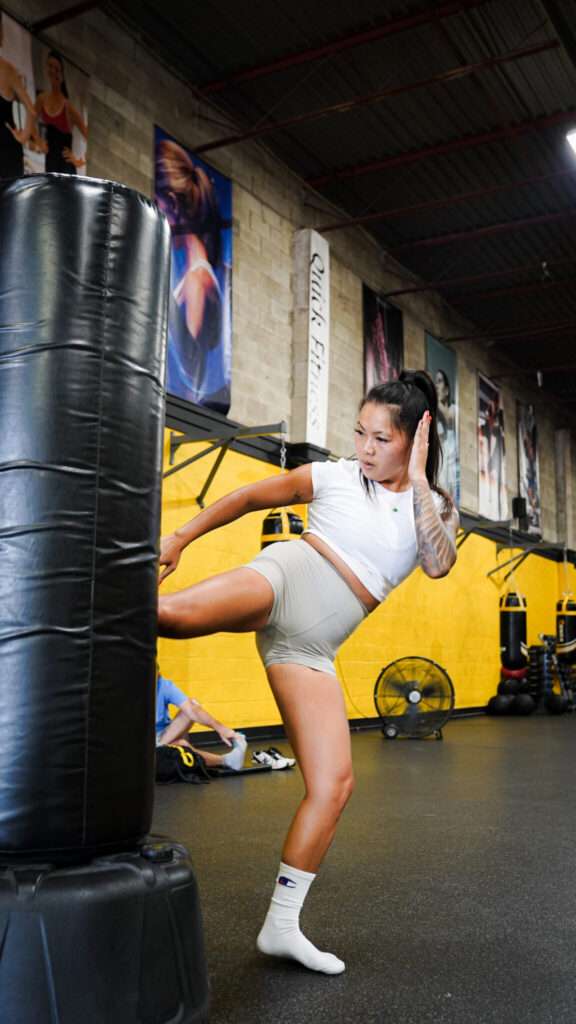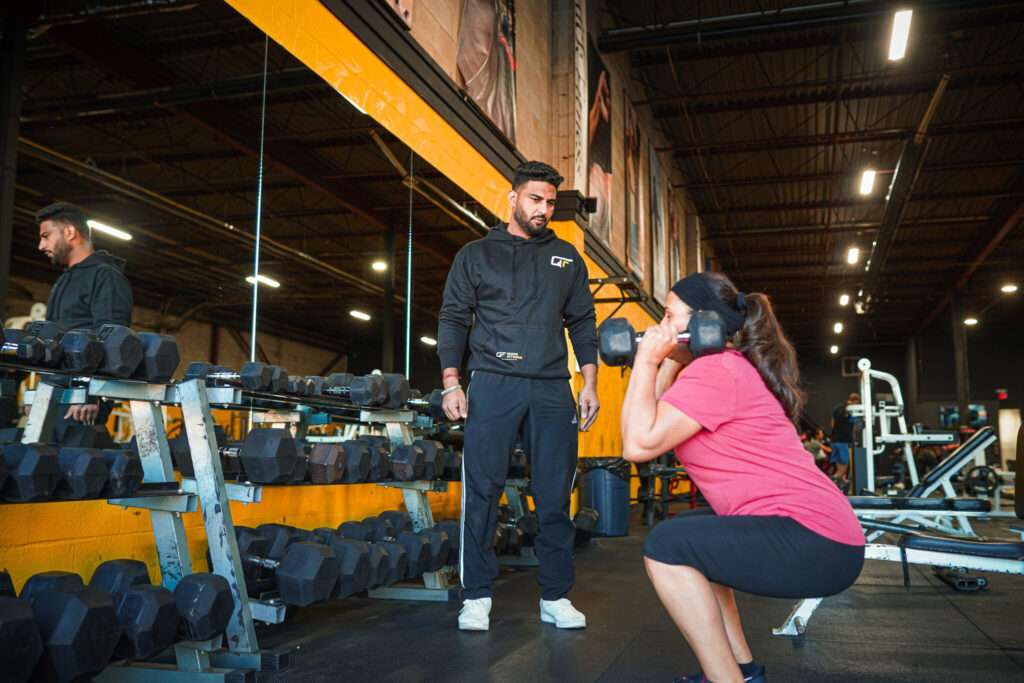


Youth Personal Training in Brampton: How Fitness Training Helps Kids and Young Athletes Build Strength and Confidence
Every parent wants their child to grow up healthy, active, confident, and strong. Whether your child plays competitive sports, participates in recreational activities, or simply wants to become more physically active, developing healthy fitness habits early can make a lasting difference. Today’s children and teenagers have busy schedules filled with school, homework, sports, and screen time. Finding opportunities to stay physically active is more important than ever. This is where youth personal training can help. With a structured and age-appropriate fitness program, children and young athletes can develop strength, coordination, balance, endurance, and confidence while learning the importance of maintaining an active lifestyle. At Quick Fitness Brampton, our youth and kids personal training programs are designed for children and teenagers aged 8–16. Whether your child is new to fitness or already participates in competitive sports, personalized training can help them develop physical skills and work toward their individual goals. What Is Youth Personal Training? Youth personal training is a specialized approach to fitness coaching designed around the physical development, abilities, and needs of children and teenagers. Unlike adult fitness programs, youth training should prioritize movement quality, coordination, proper exercise technique, enjoyment, and age-appropriate progression. A personal trainer can introduce young individuals to different types of physical activity, including: The objective is not to push children into lifting heavy weights or following intense adult workout programs. Instead, youth fitness training focuses on helping young people develop a positive relationship with exercise while building a foundation for lifelong physical activity. 7 Benefits of Personal Training for Kids and Young Athletes 1. Builds Strength and Physical Fitness Strength is an important component of overall physical development. Age-appropriate resistance exercises can help children and teenagers improve muscular strength, endurance, and general physical fitness. Training may incorporate bodyweight movements, resistance bands, light weights, and other exercises appropriate for the individual’s development and experience. With proper instruction and supervision, resistance training can be a beneficial part of a youth fitness program. The focus should always be on proper technique and gradual progression rather than lifting the heaviest possible weight. 2. Improves Coordination, Balance, and Agility Physical coordination plays an important role in everyday activities and sports. Running, jumping, changing direction, catching, throwing, and maintaining balance all require different movement skills. Youth personal training can incorporate exercises that help develop: These skills can be particularly valuable for young athletes who participate in soccer, basketball, hockey, volleyball, baseball, and other sports. 3. Supports Young Athletes in Their Favourite Sports Does your child play competitive sports? Whether they participate in soccer, hockey, basketball, tennis, baseball, or another athletic activity, developing general physical fitness can complement their sport-specific training. Young athletes may benefit from exercises that focus on: A well-designed fitness program can help young athletes develop a broader physical foundation to support their participation in sports. It is important to remember that gym training should complement, not replace, regular sports practice, skill development, rest, and recovery. 4. Develops Confidence and Self-Esteem Learning a new exercise, improving technique, or achieving a personal fitness milestone can help children feel more confident in their abilities. Personal training provides an opportunity for young people to work toward realistic goals and recognize their progress. For example, a child might gradually learn to: These small achievements can help build confidence that extends beyond the gym. 5. Encourages Healthy Habits at an Early Age Children who develop positive attitudes toward physical activity may be more likely to carry those habits into adulthood. Youth fitness programs can teach important lessons about: Rather than focusing on appearance or body weight, youth training should emphasize health, strength, enjoyment, and physical ability. 6. Provides Structure and Professional Guidance Not every child knows where to start when it comes to exercise. A personal trainer can introduce appropriate exercises, explain how to perform them, and adjust the training program as the child develops. This is particularly helpful for young people who are new to structured fitness training. Individualized coaching also allows exercises to be adapted to different abilities, experience levels, and interests. 7. Encourages a Positive Relationship With Exercise One of the most important benefits of youth personal training is helping children understand that physical activity can be enjoyable. Fitness should not feel like a punishment or an obligation. A positive training environment encourages children to explore different activities, learn new skills, celebrate improvements, and enjoy the process of becoming stronger and more physically capable. The long-term goal is to help young people develop healthy habits that they can maintain throughout their lives. Is Strength Training Safe for Children and Teenagers? One question parents frequently ask is whether children should be lifting weights. The answer is that appropriately designed strength training can be suitable for children and teenagers when it is supervised, individualized, and focused on proper technique. The American Academy of Pediatrics recognizes that supervised resistance training can improve strength and physical fitness in young people when appropriate training principles are followed. However, youth training should be different from adult bodybuilding or high-intensity lifting programs. Important considerations include: Children with existing medical conditions, injuries, or other health concerns may require medical guidance before starting a structured exercise program. The priority should always be safe movement, physical development, and enjoyment. What Age Should Kids Start Personal Training? Children develop at different rates, so there is no single age at which every child should begin structured fitness training. The type of training should reflect their physical maturity, coordination, ability to follow instructions, interests, and previous activity experience. At Quick Fitness Brampton, our advertised youth and kids personal training program is designed for ages 8–16. Training can be adapted to different stages: Ages 8–10: Building Fundamental Movement Skills Training can focus on: Ages 11–13: Developing Strength and Athletic Skills Training may incorporate: Ages 14–16: Building a Stronger Fitness Foundation Depending on individual development and experience, training may include: These are general developmental examples, not fixed age-based training prescriptions. Every young person should have a program suited to their individual abilities. Youth Personal Training