Whether you’re just starting your fitness journey or you’ve been training for years, one question comes up again and again:
“Why am I not seeing the results I expected?”
The answer isn’t always about spending more time in the gym. In fact, the people who achieve lasting results usually focus on building better habits—not longer workouts.
At Quick Fitness, we believe that consistency beats intensity every time. Here are 10 fitness habits that can help you get stronger, healthier, and more confident.
1. Set Realistic Fitness Goals
Instead of saying, “I want to lose weight,” set a measurable goal.
Examples include:
- Lose 10 pounds in 3 months
- Complete 20 push-ups
- Exercise 4 days a week
- Walk 10,000 steps daily
Clear goals make it easier to stay motivated and track your progress.
2. Prioritize Strength Training
Many people focus only on cardio, but strength training offers incredible benefits:
- Builds lean muscle
- Boosts metabolism
- Improves posture
- Supports healthy bones
- Helps burn calories even after your workout
Aim for at least two to three strength-training sessions each week.
3. Don’t Skip Your Warm-Up
A proper warm-up prepares your muscles and joints for exercise.
Spend 5–10 minutes doing:
- Light cardio
- Dynamic stretches
- Mobility exercises
A good warm-up can improve performance and reduce your risk of injury.
4. Fuel Your Body the Right Way
Exercise is only part of the equation.
For better results:
- Eat plenty of lean protein
- Include fruits and vegetables
- Choose whole grains
- Stay hydrated
- Limit highly processed foods
Healthy nutrition supports recovery and provides energy for your workouts.
5. Focus on Consistency Over Perfection
Missing one workout won’t ruin your progress.
The key is getting back on track quickly.
Even a 30-minute workout performed consistently will outperform occasional intense sessions.
6. Get Enough Sleep
Recovery happens outside the gym.
Adults should aim for 7–9 hours of quality sleep every night.
Better sleep can:
- Improve muscle recovery
- Increase energy levels
- Support fat loss
- Enhance athletic performance
7. Track Your Progress
Don’t rely only on the scale.
Track:
- Strength improvements
- Body measurements
- Energy levels
- Workout performance
- Progress photos
Small improvements add up over time.
8. Mix Up Your Routine
Doing the same workout every day can lead to plateaus.
Keep your body challenged by including:
- Strength training
- HIIT
- Functional fitness
- Boxing
- Cycling
- Yoga
- Mobility work
Variety keeps workouts exciting while improving overall fitness.
9. Train With Proper Technique
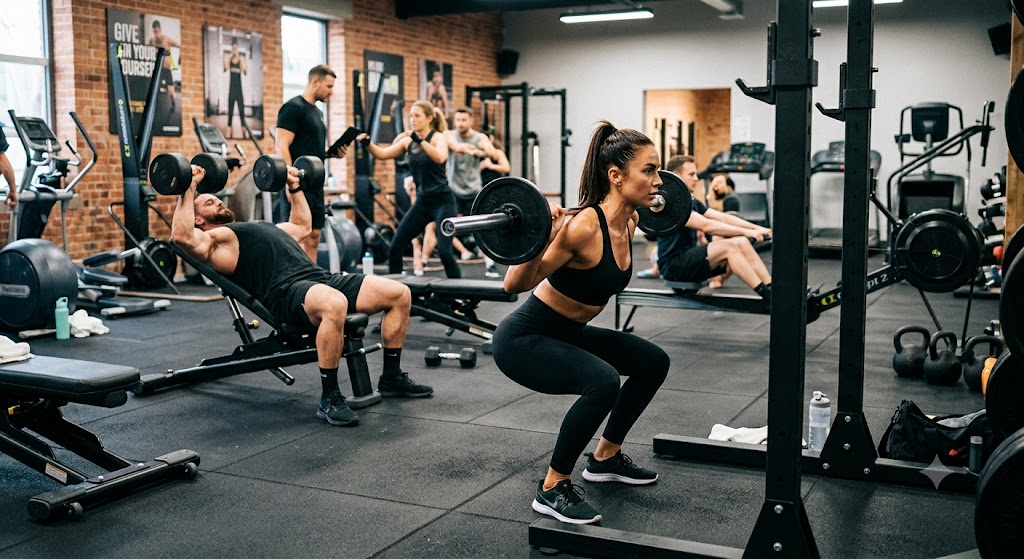
Good form is more important than lifting heavier weights.
Proper technique:
- Prevents injuries
- Activates the correct muscles
- Delivers better long-term results
If you’re unsure, working with a qualified personal trainer can help you maximize every workout safely.
10. Find a Fitness Community
Staying motivated is easier when you’re surrounded by supportive people.
A positive gym environment provides:
- Accountability
- Encouragement
- Expert guidance
- Friendly competition
- Long-term motivation
Fitness is easier—and more enjoyable—when you’re not doing it alone.
Why Quick Fitness Can Help You Reach Your Goals
At Quick Fitness, we’re committed to helping members build healthy habits that last. Whether your goal is weight loss, muscle building, improved endurance, or simply feeling better every day, our experienced trainers and welcoming community are here to support your journey.
We offer:
- Modern strength and cardio equipment
- Personal training
- Functional fitness programs
- Boxing and group fitness classes
- Nutrition guidance
- A supportive environment for all fitness levels
No matter where you’re starting, every workout brings you one step closer to your goals.