Want to get better results from your workouts? Start with what you eat.
Whether your goal is to lose weight, build muscle, improve energy, or live a healthier lifestyle, nutrition plays an important role in your fitness journey. But with so many diet trends, protein products, and nutrition tips online, knowing what to eat can feel confusing.
The good news? You do not need an extreme diet or expensive supplements to make progress. A balanced approach to nutrition, combined with regular exercise and consistent habits, can help you work toward your goals.
At Quick Fitness Brampton, we believe that fitness is about more than what happens during your workout. Developing sustainable eating habits can also support your progress inside and outside the gym.
Here are 10 popular nutrition topics worth understanding in 2026, along with practical tips you can start using today.
1. High-Protein Foods: How Much Protein Do You Really Need?
Protein remains one of the most talked-about nutrition topics among gym members and fitness enthusiasts. It helps repair and maintain muscle tissue, making it an important part of a strength-training routine.
Eating enough protein can also help you feel satisfied after meals.
Best high-protein foods to include in your diet
- Eggs
- Chicken and turkey
- Fish and seafood
- Greek yogurt and cottage cheese
- Milk and fortified soy beverages
- Lentils, chickpeas, and beans
- Tofu, tempeh, and edamame
You do not have to eat chicken and eggs every day to get enough protein. Plant-based foods can contribute significantly to your daily intake, too.
Fitness tip: Include a protein source in your main meals. For example, try eggs at breakfast, lentils at lunch, and tofu, fish, or chicken at dinner.
Your protein needs depend on factors such as body weight, age, activity level, and fitness goals. If you train regularly, a registered dietitian can help you determine an appropriate intake.
2. Weight Loss Nutrition: How to Lose Fat Without Extreme Dieting
Weight loss is one of the most common reasons people start going to the gym. However, restrictive diets and quick-fix solutions can be difficult to maintain.
For many adults, gradual weight loss involves creating a sustainable calorie deficit while eating nutritious foods and staying physically active.
Simple nutrition habits that can support weight management
- Eat regular, balanced meals.
- Include vegetables and fruit throughout the day.
- Choose protein-rich foods to help maintain muscle.
- Eat fibre-rich foods such as oats, beans, and whole grains.
- Pay attention to portion sizes without unnecessarily restricting food.
- Limit sugary drinks if they contribute excess calories to your diet.
You do not need to eliminate carbohydrates, avoid every dessert, or follow a strict meal plan to make progress.
Consistency matters more than following a perfect diet for a few days.
Remember: Your body composition and weight can be influenced by several factors, including sleep, stress, medications, and individual health conditions. Choose an approach that supports your overall well-being.
3. High-Fibre Foods and Gut Health
Protein often gets the spotlight, but fibre deserves attention, too.
Dietary fibre supports healthy digestion and can help with fullness and bowel regularity. Certain types of fibre also support beneficial gut bacteria.
Foods that help increase your fibre intake
- Oats and whole-grain bread
- Lentils and black beans
- Apples, pears, and berries
- Broccoli, carrots, and leafy greens
- Chia seeds and ground flaxseed
- Nuts and seeds
A practical way to increase fibre is to add one fibre-rich food to meals you already enjoy.
For example, add berries and oats to breakfast, chickpeas to lunch, or beans and vegetables to dinner.
Increase your fibre intake gradually and drink enough fluids to help your digestive system adjust.
Nutrition tip: A healthy diet is not just about eating more protein. Balance your meals with fibre-rich plant foods, healthy fats, and a variety of nutrients.
4. Meal Prep for Fitness: Eat Healthy Even When You’re Busy
Busy work schedules, family responsibilities, and commuting can make healthy eating challenging.
Meal preparation helps reduce last-minute food decisions and makes it easier to have balanced meals available when you need them.
Easy healthy meal prep ideas
Breakfast: Overnight oats with Greek yogurt, berries, and chia seeds.
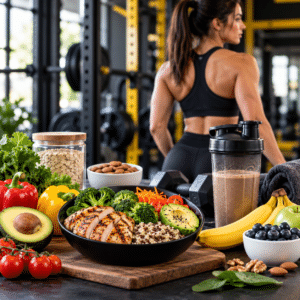
Lunch: A grain bowl with chicken or tofu, brown rice, vegetables, and a simple dressing.
Dinner: Baked salmon or beans with roasted vegetables and potatoes.
Snacks: Fruit, yogurt, boiled eggs, hummus with vegetables, or a handful of nuts.
You do not need to prepare every meal for an entire week. Even preparing a few ingredients ahead of time can save effort.
A simple meal prep routine
- Choose three or four meals you enjoy.
- Create a grocery list.
- Prepare a protein source, a grain or starchy food, and vegetables.
- Portion meals into suitable containers.
- Refrigerate or freeze food promptly and follow food-safety recommendations.
Meal prep can also help reduce food waste and make grocery spending more predictable.
5. Carbohydrates: Are They Bad for Weight Loss?
Carbohydrates are often misunderstood, especially in conversations about fat loss.
Carbohydrates provide energy for daily activities and exercise. Foods such as oats, potatoes, fruit, beans, and whole grains also supply important vitamins, minerals, and fibre.
You do not automatically gain body fat by eating carbohydrates. Overall energy intake, activity, and other individual factors influence weight management.
Better ways to include carbohydrates in your fitness diet
- Choose whole grains regularly.
- Eat fruit as part of balanced meals and snacks.
- Include potatoes, rice, or other grains in appropriate portions.
- Pair carbohydrate-rich foods with protein and vegetables.
- Adjust meal size and timing to suit your workout and personal preferences.
For example, a meal of rice, chicken or tofu, and vegetables can provide a useful combination of carbohydrates, protein, and micronutrients.
The takeaway: You do not need to fear carbohydrates. Focus on food quality, balanced meals, and portions that fit your needs.
6. Healthy Fats: Which Foods Should You Eat?
Fat is an essential nutrient that helps your body absorb certain vitamins and supports normal cellular functions.
The goal is not to eliminate fat from your diet but to choose sources that contribute to a balanced eating pattern.
Examples of nutritious fat sources
- Avocados
- Olive oil
- Almonds and walnuts
- Chia and flaxseeds
- Peanut butter and other nut butters
- Salmon, sardines, and other oily fish
These foods can be incorporated into meals in different ways. Add nuts to oatmeal, use olive oil in salad dressings, or include fish in your weekly meal rotation.
Remember that fats are energy-dense, so portion sizes may matter if weight management is one of your goals.
A balanced diet can include healthy fats alongside protein, carbohydrates, fruit, and vegetables.
7. Pre-Workout and Post-Workout Nutrition
What you eat around your workouts can influence your comfort, energy, and recovery.
You do not need complicated supplements or perfectly timed meals to benefit from exercise. Start with regular meals, adequate hydration, and foods that agree with your stomach.
What should you eat before a workout?
If you are hungry before exercising, try a meal or snack containing carbohydrates and, where practical, some protein.
Examples include:
- A banana and yogurt
- Oatmeal with milk
- Whole-grain toast with peanut butter
- Fruit and a small serving of cottage cheese
Allow enough time for digestion based on the size of your meal and how you feel during exercise.
What should you eat after a workout?
After exercising, aim for a balanced meal that includes protein and carbohydrates.
Examples include:
- Eggs with whole-grain toast and fruit
- Chicken, rice, and vegetables
- Tofu with noodles and vegetables
- Greek yogurt with oats and berries
Protein supports muscle repair, while carbohydrates help replenish energy stores.
For most people, consistently eating enough throughout the day is more important than worrying about a narrow post-workout eating window.
8. Do You Need Protein Powder or Other Supplements?
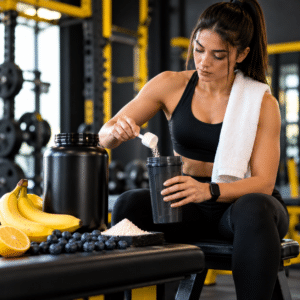
Protein powder is popular because it is convenient, especially for people with busy schedules or higher protein needs.
However, protein supplements are not essential for everyone. Many people can meet their needs through foods such as eggs, dairy, fish, poultry, soy products, and legumes.
When might protein powder be useful?
A protein powder may be convenient when:
- You struggle to prepare protein-rich meals.
- You need a portable option after training.
- You have difficulty meeting your needs through food alone.
- You prefer adding protein to smoothies or oatmeal.
If you choose a supplement, check its ingredients, nutritional information, allergens, and independent quality-testing credentials where available.
Other supplements, including creatine, have specific uses and evidence, but suitability depends on the individual. Supplements should not replace a balanced diet, and people with medical conditions or those taking medications should seek appropriate professional advice before using them.
Quick reminder: More supplements do not automatically mean better fitness results. Start with nutrition, training, recovery, and consistency.
9. Hydration: How Much Water Do You Need When Working Out?
Staying hydrated is important for normal body functions and exercise performance.
Your fluid needs depend on your activity level, workout intensity, temperature, body size, and how much you sweat.
Simple hydration tips for gym members
- Drink fluids regularly throughout the day.
- Have water available during your workout.
- Drink more when exercising in hot conditions or sweating heavily.
- Rehydrate after exercise, especially after long or intense sessions.
- Pay attention to thirst and your body’s response to exercise.
For most ordinary workouts, water is a practical choice. Sports drinks may be useful during prolonged, intense exercise or in conditions involving substantial sweat losses, but they are not necessary for every gym session.
Avoid forcing excessive amounts of water in a short period. Individual hydration needs vary.
10. Healthy Eating: Why Consistency Beats Fad Diets
From detox drinks to restrictive meal plans, new diet trends appear constantly. Some may offer practical ideas, but extreme approaches can make it difficult to get the nutrients you need or maintain healthy habits over time.
A sustainable nutrition routine should fit your lifestyle, food preferences, culture, budget, and personal needs.
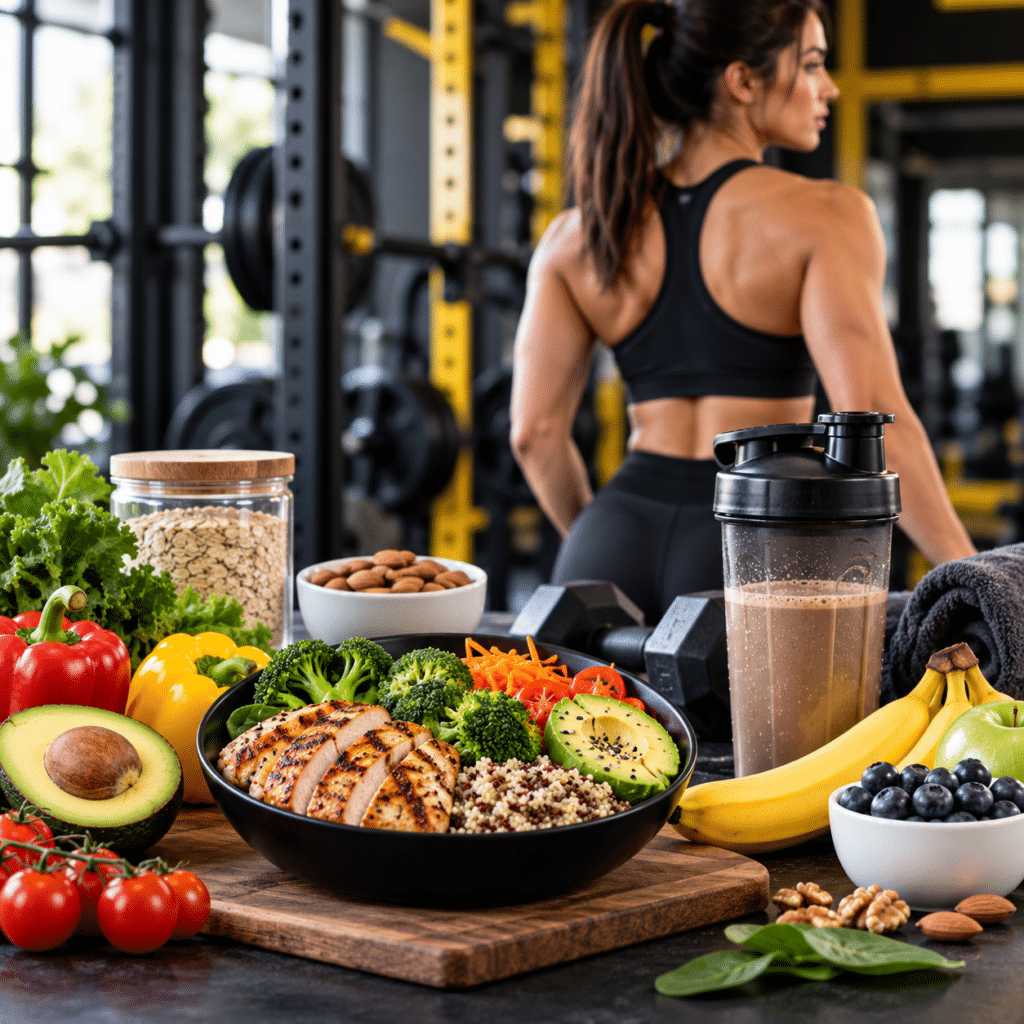
How to build a balanced plate
A simple starting point for many meals is to include:
- Vegetables and fruit: A variety of colours and types.
- Protein: Beans, lentils, tofu, eggs, fish, poultry, or other suitable sources.
- Whole grains or starchy foods: Brown rice, oats, whole-grain bread, or potatoes.
- Healthy fats: Nuts, seeds, olive oil, or avocado.
This is a flexible guide rather than a strict rule. Your portions and food choices can change based on your goals, appetite, activity level, and dietary requirements.
You can enjoy your favourite foods while working toward better health. A nutritious eating pattern does not have to be expensive, complicated, or restrictive.
Bonus: A Simple One-Day Healthy Eating Example
Need some inspiration? Here is an example of how you could structure a day of balanced meals.
| Meal | Example |
|---|---|
| Breakfast | Oatmeal with Greek yogurt and berries |
| Morning snack | An apple and a handful of nuts |
| Lunch | Chicken or tofu grain bowl with vegetables |
| Afternoon snack | Hummus with carrots or yogurt with fruit |
| Dinner | Fish, beans, or tofu with potatoes and vegetables |
| Drinks | Water throughout the day, adjusted to your needs |
This is an illustration, not a personalized meal plan. Adjust portions, ingredients, and meal timing according to your energy needs, preferences, allergies, and health requirements.
If you have specific nutritional needs or a medical condition, a registered dietitian can help you develop a suitable plan.
Combine Better Nutrition With Your Gym Routine at Quick Fitness Brampton
Reaching your fitness goals involves more than a single workout or a perfect meal. Strength training, cardiovascular exercise, balanced nutrition, hydration, sleep, and recovery all play a role in supporting your progress.
Whether you are working toward weight loss, building muscle, improving endurance, or simply becoming more active, start with manageable habits and develop them over time.
At Quick Fitness Brampton, your fitness journey can be an opportunity to build a routine that works for your life.
Start by choosing realistic goals, planning a few nutritious meals, and making time for regular exercise.
Ready to take the next step? Connect with Quick Fitness Brampton to explore your fitness options and start building healthier habits today.
Disclaimer: This article provides general nutrition information and is not a substitute for individualized medical or dietary advice. Consult a qualified healthcare professional or registered dietitian for advice tailored to your needs.
Frequently Asked Questions About Nutrition and Fitness
What should I eat to lose weight and build muscle?
A balanced eating pattern that provides adequate protein, vegetables, fruit, whole grains, and healthy fats can support your goals. Resistance training and an appropriate overall energy intake are also important. Individual needs vary.
What are the best high-protein foods for gym beginners?
Eggs, Greek yogurt, cottage cheese, chicken, fish, tofu, lentils, beans, and edamame are useful options. Choose foods that fit your dietary preferences, budget, and nutritional needs.
Should I eat before or after going to the gym?
Both can be useful. Eating before exercise may provide energy, while a balanced meal afterward supports recovery. Choose timing and portion sizes that feel comfortable and suit your workout.
Is meal prep good for weight loss?
Meal prep can make it easier to plan balanced meals and manage portions. It is a practical tool, but weight management also depends on overall eating habits, activity, and individual circumstances.
Do I need protein powder to build muscle?
No. Protein powder is optional. Many people can get enough protein from everyday foods. A supplement may be convenient if meeting your needs through meals is difficult.
How can I start eating healthier without spending more money?
Plan meals around affordable staples such as oats, eggs, dried or canned beans, lentils, frozen vegetables, seasonal fruit, rice, and potatoes. Preparing meals at home can also help you control costs and reduce food waste.