
October 23, 2026

Gym

Looking for a Gym in Brampton? Your Guide to Getting Fit and Staying Consistent

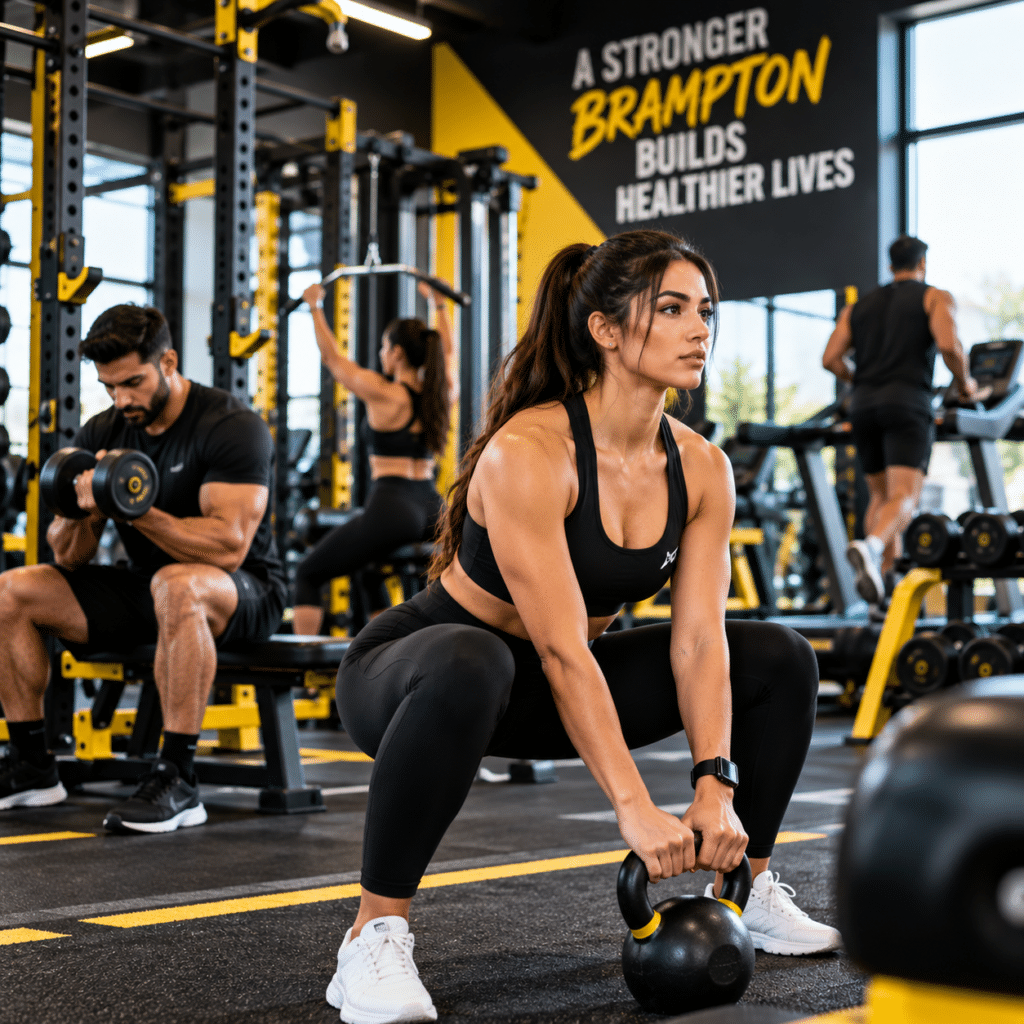
Finding the right gym in Brampton can be the first step toward a healthier, stronger, and more confident you. Whether your goal is to lose weight, build muscle, improve endurance, or simply feel better every day, choosing the right fitness routine and gym environment can make a big difference. At Quick Fitness Brampton, your fitness journey starts with taking that first step. With realistic goals, consistent workouts, and a commitment to your health, you can build habits that support long-term results. In this guide, we’ll explore the benefits of joining a gym, tips for getting started, and how to stay motivated on your fitness journey. Why Join a Gym in Brampton? Staying active is an important part of a healthy lifestyle. While home workouts and outdoor activities can help you stay moving, joining a gym gives you a dedicated space to focus on your fitness goals. Here are some reasons to make gym workouts part of your routine. 1. Build Strength and Muscle Strength training helps improve muscular strength, support everyday movements, and develop a stronger physique. Whether you are new to weightlifting or looking to improve your existing routine, a consistent strength-training program can help you work toward your goals. Start with exercises suited to your fitness level, focus on proper technique, and gradually increase the challenge as you become stronger. 2. Support Weight Loss and Weight Management If your goal is weight loss, regular exercise can be an important part of your overall plan. Combining cardiovascular activity, strength training, balanced nutrition, and sustainable daily habits can help support healthy weight management. Remember that progress looks different for everyone. Instead of focusing only on the number on the scale, celebrate improvements in your energy, strength, endurance, and consistency. 3. Improve Cardiovascular Fitness Cardiovascular exercise helps improve heart and lung fitness while building endurance. Activities such as walking on a treadmill, cycling, and other forms of cardio can help you gradually increase your activity level. Choose activities you enjoy and start at a pace that feels manageable. As your fitness improves, you can adjust your duration and intensity. 4. Reduce Stress and Improve Your Routine Exercise can be a valuable way to manage everyday stress and support mental well-being. A regular workout routine also gives you dedicated time to focus on yourself, establish healthy habits, and take a break from your daily responsibilities. Even a short workout is a positive step toward becoming more active. How to Choose the Best Gym in Brampton for Your Goals With different fitness options available throughout Brampton, choosing a gym that suits your needs is important. Before selecting a fitness centre in Brampton, consider the following factors. Location and convenience: Choose a gym that fits naturally into your daily routine. A convenient location can make it easier to maintain consistency before work, after work, or during your free time. Your fitness goals: Think about what you want to achieve. Are you interested in weight loss, muscle building, general fitness, or improving your endurance? Look for a gym that supports your preferred style of training. Your schedule: Flexible workout times can help you stay active even when life gets busy. Consider when you are most likely to exercise and choose a membership that suits your routine. Your comfort level: If you are new to fitness, look for an environment where you feel comfortable learning, progressing, and developing your confidence. Membership options: Review membership costs, available facilities, and terms before making your decision. Understanding what is included helps you choose an option that suits your needs and budget. At Quick Fitness Brampton, take the opportunity to explore your fitness options and find a routine that works for your lifestyle. Beginner Gym Workout Tips: How to Get Started Walking into a gym for the first time can feel intimidating, but you do not need to be an expert to begin. A simple, structured approach can help you build confidence. Start With Realistic Goals Rather than trying to change everything overnight, choose one or two achievable goals. You might begin by exercising three days per week, improving your stamina, or learning basic strength-training movements. Small, consistent improvements can build momentum over time. Warm Up Before Exercising Spend five to ten minutes warming up with light cardio and appropriate movement preparation. Warming up helps you transition into your workout gradually. Combine Cardio and Strength Training A balanced fitness routine can include both cardiovascular exercise and resistance training. Cardio supports endurance, while strength training helps build and maintain muscle. Your ideal combination will depend on your current fitness level, preferences, and goals. Focus on Proper Technique Good technique is more important than lifting heavy weights. Start with manageable resistance, learn the movements, and increase the difficulty gradually. If you are unsure how to perform an exercise, seek guidance from a qualified fitness professional. Give Yourself Time to Recover Rest is an important part of any fitness program. Allow your body time to recover, get adequate sleep, stay hydrated, and maintain balanced nutrition to support your progress. How Often Should You Work Out at the Gym? Your ideal workout frequency depends on your experience, schedule, goals, and recovery needs. If you are a beginner, starting with two or three planned workouts per week can be a practical way to establish a routine. As your fitness improves, you can adjust your schedule based on your needs. Here is an example of a simple weekly fitness plan: This is only a sample schedule. Adjust it to suit your abilities, experience, and personal goals. The most important thing is to choose a routine you can maintain consistently. Tips for Staying Motivated on Your Fitness Journey Starting a fitness routine is one thing; sticking with it is another. Building lasting habits takes patience, realistic expectations, and consistency. Try these strategies to stay on track: Your fitness journey does not need to be perfect. Showing up regularly and making sustainable choices can help you build a healthier lifestyle over time. Why Make Quick Fitness Brampton

Gym

10 Popular Nutrition Tips to Lose Fat, Build Muscle, and Eat Healthier in 2026

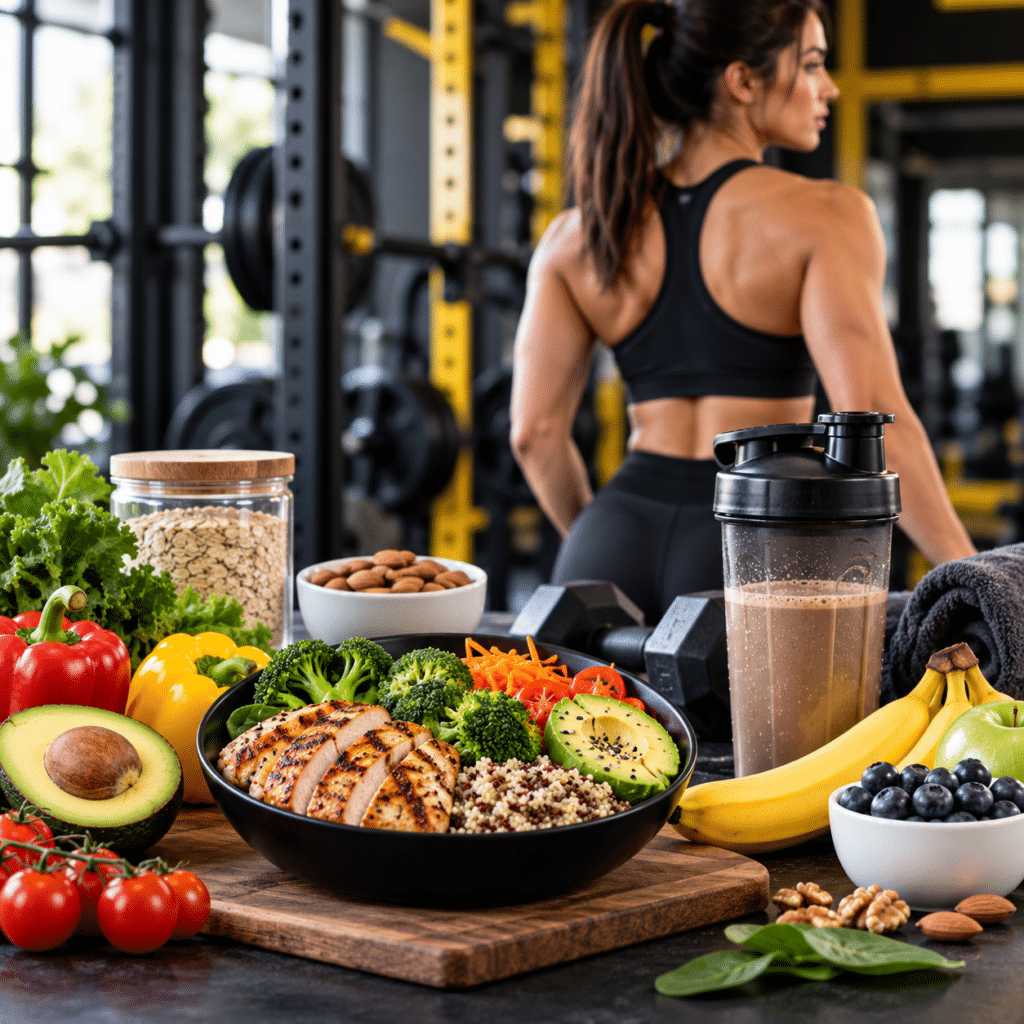
Want to get better results from your workouts? Start with what you eat. Whether your goal is to lose weight, build muscle, improve energy, or live a healthier lifestyle, nutrition plays an important role in your fitness journey. But with so many diet trends, protein products, and nutrition tips online, knowing what to eat can feel confusing. The good news? You do not need an extreme diet or expensive supplements to make progress. A balanced approach to nutrition, combined with regular exercise and consistent habits, can help you work toward your goals. At Quick Fitness Brampton, we believe that fitness is about more than what happens during your workout. Developing sustainable eating habits can also support your progress inside and outside the gym. Here are 10 popular nutrition topics worth understanding in 2026, along with practical tips you can start using today. 1. High-Protein Foods: How Much Protein Do You Really Need? Protein remains one of the most talked-about nutrition topics among gym members and fitness enthusiasts. It helps repair and maintain muscle tissue, making it an important part of a strength-training routine. Eating enough protein can also help you feel satisfied after meals. Best high-protein foods to include in your diet You do not have to eat chicken and eggs every day to get enough protein. Plant-based foods can contribute significantly to your daily intake, too. Fitness tip: Include a protein source in your main meals. For example, try eggs at breakfast, lentils at lunch, and tofu, fish, or chicken at dinner. Your protein needs depend on factors such as body weight, age, activity level, and fitness goals. If you train regularly, a registered dietitian can help you determine an appropriate intake. 2. Weight Loss Nutrition: How to Lose Fat Without Extreme Dieting Weight loss is one of the most common reasons people start going to the gym. However, restrictive diets and quick-fix solutions can be difficult to maintain. For many adults, gradual weight loss involves creating a sustainable calorie deficit while eating nutritious foods and staying physically active. Simple nutrition habits that can support weight management You do not need to eliminate carbohydrates, avoid every dessert, or follow a strict meal plan to make progress. Consistency matters more than following a perfect diet for a few days. Remember: Your body composition and weight can be influenced by several factors, including sleep, stress, medications, and individual health conditions. Choose an approach that supports your overall well-being. 3. High-Fibre Foods and Gut Health Protein often gets the spotlight, but fibre deserves attention, too. Dietary fibre supports healthy digestion and can help with fullness and bowel regularity. Certain types of fibre also support beneficial gut bacteria. Foods that help increase your fibre intake A practical way to increase fibre is to add one fibre-rich food to meals you already enjoy. For example, add berries and oats to breakfast, chickpeas to lunch, or beans and vegetables to dinner. Increase your fibre intake gradually and drink enough fluids to help your digestive system adjust. Nutrition tip: A healthy diet is not just about eating more protein. Balance your meals with fibre-rich plant foods, healthy fats, and a variety of nutrients. 4. Meal Prep for Fitness: Eat Healthy Even When You’re Busy Busy work schedules, family responsibilities, and commuting can make healthy eating challenging. Meal preparation helps reduce last-minute food decisions and makes it easier to have balanced meals available when you need them. Easy healthy meal prep ideas Breakfast: Overnight oats with Greek yogurt, berries, and chia seeds. Lunch: A grain bowl with chicken or tofu, brown rice, vegetables, and a simple dressing. Dinner: Baked salmon or beans with roasted vegetables and potatoes. Snacks: Fruit, yogurt, boiled eggs, hummus with vegetables, or a handful of nuts. You do not need to prepare every meal for an entire week. Even preparing a few ingredients ahead of time can save effort. A simple meal prep routine Meal prep can also help reduce food waste and make grocery spending more predictable. 5. Carbohydrates: Are They Bad for Weight Loss? Carbohydrates are often misunderstood, especially in conversations about fat loss. Carbohydrates provide energy for daily activities and exercise. Foods such as oats, potatoes, fruit, beans, and whole grains also supply important vitamins, minerals, and fibre. You do not automatically gain body fat by eating carbohydrates. Overall energy intake, activity, and other individual factors influence weight management. Better ways to include carbohydrates in your fitness diet For example, a meal of rice, chicken or tofu, and vegetables can provide a useful combination of carbohydrates, protein, and micronutrients. The takeaway: You do not need to fear carbohydrates. Focus on food quality, balanced meals, and portions that fit your needs. 6. Healthy Fats: Which Foods Should You Eat? Fat is an essential nutrient that helps your body absorb certain vitamins and supports normal cellular functions. The goal is not to eliminate fat from your diet but to choose sources that contribute to a balanced eating pattern. Examples of nutritious fat sources These foods can be incorporated into meals in different ways. Add nuts to oatmeal, use olive oil in salad dressings, or include fish in your weekly meal rotation. Remember that fats are energy-dense, so portion sizes may matter if weight management is one of your goals. A balanced diet can include healthy fats alongside protein, carbohydrates, fruit, and vegetables. 7. Pre-Workout and Post-Workout Nutrition What you eat around your workouts can influence your comfort, energy, and recovery. You do not need complicated supplements or perfectly timed meals to benefit from exercise. Start with regular meals, adequate hydration, and foods that agree with your stomach. What should you eat before a workout? If you are hungry before exercising, try a meal or snack containing carbohydrates and, where practical, some protein. Examples include: Allow enough time for digestion based on the size of your meal and how you feel during exercise. What should you eat after a workout? After exercising, aim for a balanced meal that includes protein and carbohydrates.

Gym

Do I Need Pre-Workout? Benefits, Side Effects, and What You Should Know

Have you ever felt tired before heading to the gym and wondered whether a pre-workout supplement could give you the energy you need? Pre-workout supplements are popular among gym-goers who want more energy, better focus, and improved workout performance. From colourful powders to ready-to-drink energy formulas, there are plenty of products promising to help you get more out of every workout. But here’s the big question: Do you actually need pre-workout to build muscle, lose weight, or improve your fitness? The short answer is no. Most people can achieve their fitness goals without pre-workout supplements. However, certain ingredients may offer benefits in specific situations. At Quick Fitness Brampton, we believe that understanding your options is an important part of building a sustainable fitness routine. Let’s explore what pre-workout does, who might benefit from it, its potential side effects, and how to decide whether it’s right for you. What Is Pre-Workout? Pre-workout is a dietary supplement designed to be consumed before exercise. It typically comes in powder, capsule, or ready-to-drink form. Depending on the formula, pre-workout products may contain ingredients such as: Not every pre-workout contains the same ingredients or effective amounts of them. Some products rely heavily on caffeine, while others use multi-ingredient blends. Understanding the label is essential before deciding whether a product is suitable for you. What Are the Benefits of Pre-Workout? Pre-workout may provide certain benefits depending on its ingredients, dosage, and your individual response. 1. Increased Energy and Alertness Caffeine is one of the most widely studied ingredients used to support exercise performance. It can help increase alertness and reduce the perception of effort during some workouts. This may be useful if you train early in the morning or need to feel more alert before a demanding session. However, feeling more energetic does not necessarily mean you will build more muscle or burn more body fat. 2. Improved Exercise Performance Some pre-workout ingredients can support performance during particular types of exercise. Caffeine may improve endurance and performance in certain activities, while beta-alanine may be beneficial for some high-intensity efforts when used consistently. Results depend on the exercise, the dose, and the individual. More ingredients do not automatically make a product more effective. 3. Better Workout Focus Some people report feeling more focused after taking stimulant-containing pre-workout products. Caffeine can contribute to this effect, although sensitivity varies. Too much may cause nervousness, anxiety, shakiness, or difficulty concentrating. A consistent sleep schedule and a well-planned training routine remain important for maintaining focus. 4. A More Enjoyable Workout Experience Some users enjoy the routine of preparing a pre-workout drink before exercising. Feeling alert and following a consistent pre-gym routine may help them get into the right mindset. However, you can develop an effective pre-workout routine without purchasing a supplement. Do You Need Pre-Workout to Build Muscle? No. Pre-workout is not required to build muscle. Muscle growth depends on several important factors, including progressive resistance training, sufficient protein and overall nutrition, adequate recovery, and consistency over time. Pre-workout may help some people perform slightly better during certain sessions, but it cannot replace these fundamentals. If your goal is to build muscle, focus on: If these areas need attention, improving them will generally be more valuable than buying another supplement. Can You Work Out Without Pre-Workout? Absolutely! You can have an effective gym session without pre-workout, caffeine, or other performance supplements. In fact, many people train successfully using only balanced nutrition, water, and a consistent workout schedule. Here are a few simple ways to prepare for your next gym session naturally. Eat a Balanced Meal or Snack If you are hungry before exercising, try a snack containing carbohydrates and, where practical, some protein. Examples include: The amount you eat and the timing depend on your digestion, workout intensity, and personal preferences. Drink Enough Water Dehydration can negatively affect how you feel and perform during exercise. Drink fluids regularly throughout the day and have water available during your workout. For most ordinary gym sessions, water is sufficient. Get Enough Sleep If you regularly feel exhausted before exercising, consider whether you are sleeping enough. Most adults should aim for approximately seven to nine hours of sleep each night, although individual needs vary. A supplement cannot reliably compensate for chronic sleep deprivation. Choose the Right Workout Time If possible, schedule your workouts for a time when your energy levels are naturally higher. Some people prefer morning training, while others feel stronger or more alert later in the day. The best schedule is one that fits your life and helps you stay consistent. What Are the Side Effects of Pre-Workout? Pre-workout supplements are not risk-free, particularly products containing high amounts of caffeine or multiple stimulants. Potential side effects include: The tingling associated with beta-alanine is often harmless, but other symptoms should not automatically be dismissed as normal. How Much Caffeine Is Too Much? Health Canada advises that most healthy adults should consume no more than 400 mg of caffeine per day from all sources. This is a general upper limit, not a target, and some people experience side effects at much lower amounts. Caffeine from coffee, tea, energy drinks, pre-workout supplements, and other sources all contributes to your total daily intake. Children and teenagers, pregnant or breastfeeding individuals, and people with certain medical conditions may need lower amounts or should avoid caffeine supplements. Consult a healthcare professional if you are unsure whether caffeine is appropriate for you. Avoid combining several stimulant-containing products, and be cautious about taking pre-workout later in the day because caffeine can interfere with sleep. If you experience chest pain, fainting, or severe palpitations after taking a supplement, seek urgent medical attention. Is Pre-Workout Safe for Beginners? If you are new to the gym, you generally do not need pre-workout to get started. Beginners often make progress by learning proper exercise technique, establishing a consistent schedule, eating balanced meals, and gradually increasing training intensity. Adding a stimulant-heavy supplement at the beginning may introduce unnecessary side effects without addressing the habits that

Scroll to Top